
Most people think damp and mould are caused by water leaks alone, but heat plays a vital role in keeping your home dry and healthy. Understanding how your property retains heat could save you money, improve your indoor air quality, and prevent mould before it starts.
A warm home is far less likely to suffer from damp and mould than a cold one. Maintaining an indoor temperature between 18°C and 21°C helps keep surfaces warm enough to reduce condensation, creating an environment where mould struggles to grow.
However, not all homes behave the same. The UK has a wide variety of building types, each with different thermal characteristics that affect how heat is retained and lost.
These include:
- Timber-framed properties
- Stone buildings
- Cob and earth-built homes
- Castles, churches and cathedrals
- Tudor (1485–1558)
- Elizabethan and Jacobean (1558–1625)
- Stuart (1625–1714)
- Georgian (1714–1830)
- Victorian (1837–1901)
- Edwardian (1901–1910)
- Modern cavity wall properties
- Non-traditional prefabricated homes (such as post-war reinforced concrete or steel-framed construction)
- Contemporary modular, steel-framed and glass-built homes
Each construction type loses heat differently, meaning the most effective heating and insulation strategy will vary from one property to another.
Heating your home efficiently
Whether your home is heated by gas, oil, electricity or renewable technologies, ensuring your heating system is correctly designed and regularly serviced is essential.
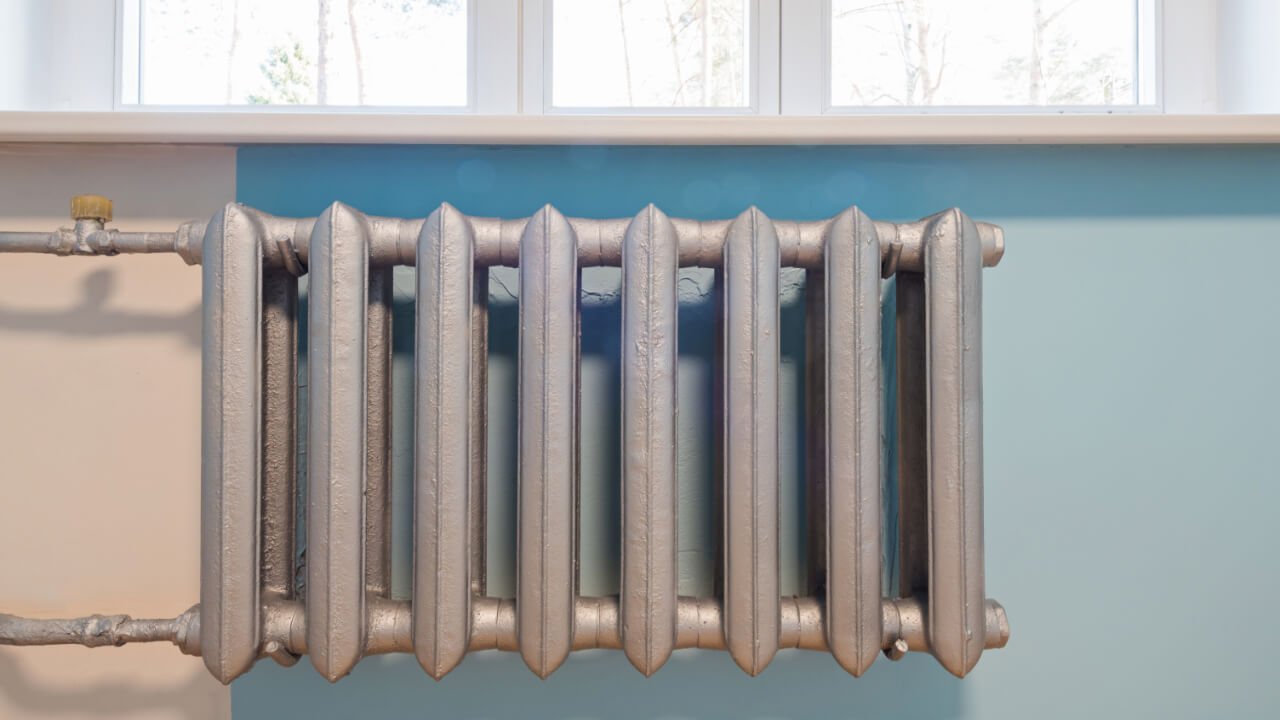
Radiators should be correctly sized using BTU calculations and, where practical, positioned on external walls beneath windows. This helps counteract cold air entering the room and improves overall heating efficiency.
Older homes need a different approach
Many older properties were designed to breathe naturally and typically have lower thermal performance than modern homes. Improving their insulation can significantly reduce heat loss—but only when the correct retrofit solution is selected.
Common insulation upgrades include:
- External Wall Insulation (EWI)
- Internal Wall Insulation (IWI)
- Cavity Wall Insulation (CWI)
Each system must be designed specifically for the building.
For example, traditional solid-wall properties usually require vapour-permeable insulation systems that allow moisture to escape. Installing the wrong system can trap moisture within the walls, leading to interstitial condensation, hidden damp, mould and even timber decay.
Likewise, poorly installed cavity wall insulation can create bridging damp, while incorrectly fitted internal or external insulation can introduce thermal bridging and condensation problems.
Ventilation is just as important as insulation
Adding insulation without improving ventilation is one of the biggest mistakes homeowners can make. As a property becomes more airtight, moisture generated from everyday activities such as cooking, showering and drying clothes has fewer escape routes. Without adequate ventilation, humidity rises, increasing the likelihood of condensation and mould.
A successful retrofit should always balance:
- Heat retention
- Ventilation
- Airflow
- Moisture management
Creating a well-insulated home without proper ventilation can effectively turn it into a modern-day incubator or oven.
Loft insulation matters too
Warm air rises, and an inadequately insulated loft can be a major route for heat loss.
Current recommendations are typically 270–300mm of loft insulation, installed over the ceiling rather than between roof rafters in a standard ventilated loft.
Best practice includes:
- The first layer installed between the ceiling joists.
- The second layer laid at right angles across the joists.
- Insulation brought to the inner leaf of the external wall without blocking ventilation at the eaves.
- A gap of approximately 50 mm. maintained from the roof rafters to preserve airflow.
Blocking roof ventilation can create ideal conditions for condensation and mould growth within the roof space.
Why dry homes cost less to heat
A damp property requires significantly more energy to heat than a dry one because moisture absorbs heat energy before the room warms up.
Keeping your property dry not only improves comfort but also reduces energy consumption and heating costs.
Understanding dew point
One of the main reasons mould develops is because cold surfaces reach dew point.
Dew point is the temperature at which water vapour in the air changes into liquid water. When walls, ceilings or windows become cold enough, condensation forms on their surfaces.
This moisture provides the perfect conditions for mould to develop.
Insulating walls correctly raises their internal surface temperature, making them much less likely to reach dew point.
Beware of thermal bridging
Thermal bridging (sometimes called cold bridging) occurs when part of a building's insulation is missing or ineffective.
These areas allow heat to escape much faster than surrounding surfaces, creating cold spots that are highly susceptible to condensation and mould.
Think of thermal bridging as leaving a window permanently open within an otherwise insulated wall.
Any insulation upgrade should create a continuous thermal envelope around the property.
Leaving gaps or poorly insulated junctions dramatically increases the risk of mould developing in those areas.
The bottom line
The healthiest homes achieve the right balance of heat, insulation, ventilation and airflow.
Keeping your home warm, ensuring surfaces stay above dew point, repairing defects before upgrading insulation and selecting the correct retrofit system for your property’s construction will dramatically reduce the risk of damp and mould while improving comfort and lowering energy bills.
A dry, warm and well-ventilated home isn’t just more efficient—it’s also a healthier place to live.
Author: Carl Reid
Director Surveyor and Mould Removal Specialist
Carl is one of the directors of Swift Maintenance Solutions Ltd and a highly trained mould and damp expert based in Wembley, North London. He is passionate to continually learn and teach about clean air, keeping his readers, and their families safe in their homes and workplaces.