
Mould is one of the most common problems homeowners and tenants face, and yet it’s also one of the most preventable.
In this guide, we’ll walk you through everything you need to know about ventilation — why it matters, the different forms it takes, and how to make sure yours is actually doing its job.
Whether you’re a homeowner, a tenant, or a landlord, understanding ventilation is one of the simplest and most effective steps you can take to protect your home from mould.
Ventilation – Overview
Ventilation plays a vital role in preventing mould within your home. It is estimated that each person in a home produces approximately 3 litres of moisture a day through activities like cooking, bathing, laundry and breathing. This moisture needs to be removed from the property as quickly as possible to maintain a healthy indoor environment and of course to help reduce the risk of mould.
There are different forms of ventilation within your home. The primary forms are your windows and doors. Then you have mechanical ventilation and quite often background ventilation (yes, a fan is one of them 😀 )

Windows & Doors
As these are your primary source of ventilation it’s important to ensure they are in good working order and free from defects. If a window cannot open due to a defect it reduces your ability to ventilate properly. If you are a tenant any defects must be reported as soon as they are found.

Window seals are a common cause of water ingress so should be regularly checked. Condensation in between the glass in your double-glazed unit indicates a blown seal on that unit and this is a defect that reduces the efficiency of that unit.
A damp and mould surveyor should always check your windows for defects.
Retrofitted trickle vents where holes have been drilled in the frame instead do not comply. It is recommended that your trickle vents remain in the open position all the time.
Background ventilation
A common form of background ventilation is trickle ventilation through window vents.
These became mandatory in new windows in 2022. As per BS EN 13141-1:2019 these should provide between 8,000mm2 – 10,000mm2 of air per habitable room and kitchens and 4,000mm2 for bathrooms.
To achieve 8,000mm2 this typically requires 2 x 235mm x 18mm slots at least 20mm apart and fitted 1700mm from the floor where possible. Retrofitted trickle vents where holes have been drilled in the frame instead do not comply. It is recommended that your trickle vents remain in the open position all the time.
Other forms of background ventilation are airbricks, passive vents and chimneys. These should not be covered over as they can be an important form of ventilation.
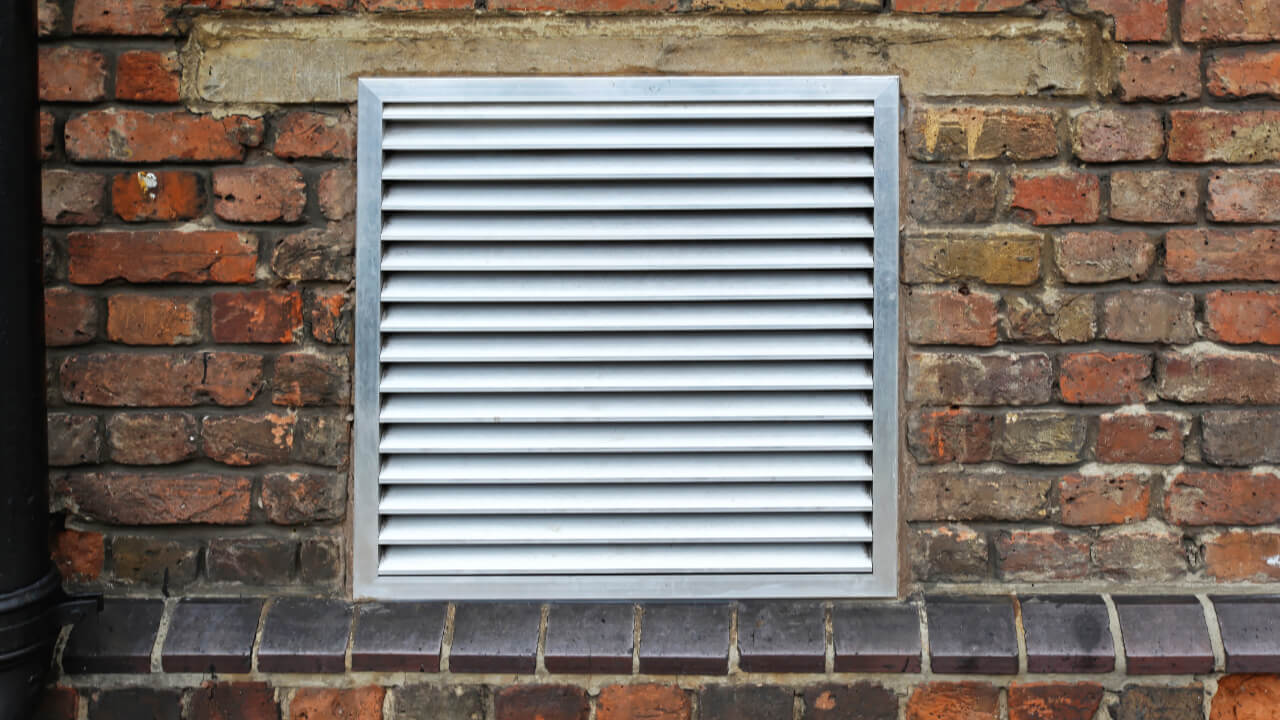
Airbricks and passive vents in traditional solid-wall buildings can lower a wall’s temperature so often a thermal upgrade on these walls should be considered with a suitable system for that building. Passive vents should be installed 300mm from the ceiling and to a ratio of 1 per 7m2 of room.
Background ventilation works on the principle of pressure differences between the interior and the exterior and it can supply continuous small air changes if not blocked or closed.
Chimneys when closed should always swept before closing and then vented at the top via a vented cowl and in every room.
A damp and mould surveyor should always check your trickle vents or passive vents to ensure they are not blocked and that the trickle vents are the correct size. A surveyor should also check any chimneys for damp and smoke test to ensure they are ventilated sufficiently.
Purge ventilation
A simple and effective natural air change is a daily dose of purge ventilation or to burp your home. This is when you open every door and window at the same time for 10 – 15 minutes in the morning and again in the evening to allow fresh, drier air to sweep through your home and remove and replace the stale humid air.
Mechanical ventilation
This is a method of forced air changes through mechanical means. There are numerous different systems depending on the home.
There are whole house systems like MVHR (mechanical ventilation with heat recovery), MEV (mechanical extract ventilation) and the dreaded PIV (positive input ventilation).
And there are localised systems like intermittent extractor fans, dMEV (decentralised mechanical extract ventilation or continuous running fans), inline fans, or dMVHR (decentralised mechanical ventilation with heat recovery or single room heat recovery fans).
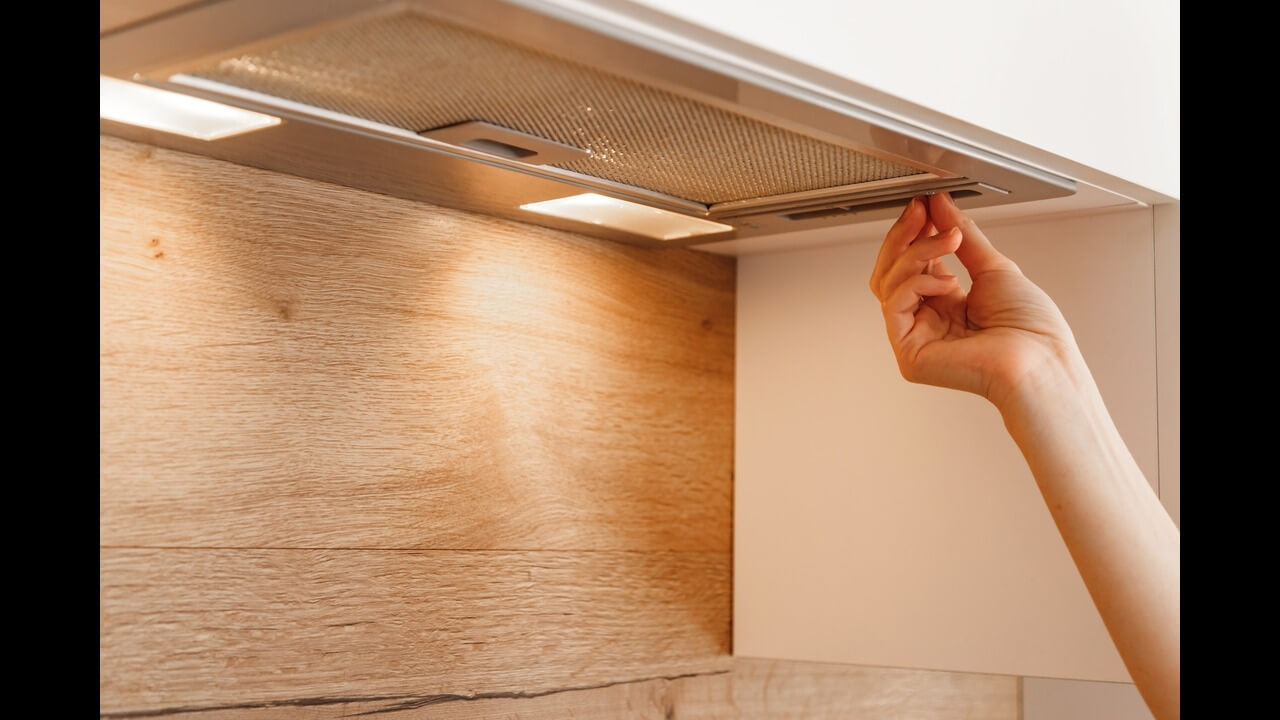
Understanding what your system should be doing is very important to a healthy indoor environment. Just because a fan is running and making a noise does not mean it is reaching the extraction rates required.
All systems require minimum door undercuts of 10mm to allow airflow through your home.
Understanding what your system should be doing is very important to a healthy indoor environment. Just because a fan is running and making a noise does not mean it is reaching the extraction rates required. Also a tissue test is not sufficient to determine if your fan is operating at its full extraction rate.
The other issue to be aware of after installing a new fan is if the contractor moved insulation in the loft and if so did they replace it correctly afterwards.
A damp and mould surveyor should always test your mechanical ventilation with a vane anemometer to ensure your system is working to the required extraction rates. The surveyor should also check ducting routes and calculate the resistance to ensure that the system you have is suitably sized for your property.
If a system is not reaching these rates, is incorrectly sized, incorrectly ducted then your property could be at risk of mould.
The other issue to be aware of after installing a new fan is if the contractor moved insulation in the loft and if so did they replace it correctly afterwards.
Your cooker hood is an intermittent form of extraction and the British standards minimum extraction rate for these is 30 litres per second if extracted to the outside or 60 litres a second if recirculating. The British standard minimum extraction rate required for a bathroom fan is 15 litres per second. These rates should be checked at the fan and where the ducting exits the property. Resistance is added to your fan by means of the type of ducting, length of ducting and if a gravity grill is fitted outside.
When installing a fan you should employ a qualified electrician. You would assume that the electrician is qualified in ventilation but that is often not the case. It is surprising but a lot of electricians do not actually know how to size a fan correctly for a whole dwelling or the correct method of ducting. The other issue to be aware of after installing a new fan is if the contractor moved insulation in the loft and if so did they replace it correctly afterwards.
A damp and mould surveyor should always test your mechanical ventilation with a vane anemometer to ensure your system is working to the required extraction rates. The surveyor should also check ducting routes and calculate the resistance to ensure that the system you have is suitably sized for your property.
If a system is not achieving the required rates, or is incorrectly sized or ducted, then your property could be at risk of mould.
Ducting
When ducting a fan you should always try and ensure it is ducted out at the shortest and most direct route to enable the quickest removal of the moisture laden air. White concertina or white flexible ducting is not recommended in over 300mm lengths so should only be used straight out the wall or for connections. When ducting through a colder zone, like a loft space, then insulated ducting must be used.
A damp and mould surveyor should always check that your ducting is correct, how far it runs and where and how it exits the building.
Summary
Your ventilation habits and systems play a pivotal role in the prevention of mould within your property. All aspects of ventilation require attention and maintenance to ensure they are in good working order to help maintain a healthy indoor environment. Windows must be free of defects and mechanical ventilation requires regular checks with simple cleaning methods like vacuuming the fan itself ( when off) to keep it clean and free of dust and dirt.
For further advice or assistance regarding ventilation, please feel free to get in contact with Carl for a chat. He is always happy to help and answer your questions or your concerns.
Author: Carl Reid
Director Surveyor and Mould Removal Specialist
Carl is one of the directors of Swift Maintenance Solutions Ltd and a highly trained mould and damp expert based in Wembley, North London. He is passionate to continually learn and teach about clean air, keeping his readers, and their families safe in their homes and workplaces.